AI Governance, Risk & Compliance
A board-ready operating model for AI inventory, policy, controls, vendor risk, audit evidence, EU AI Act readiness, and the review cadence that keeps AI from becoming unmanaged exposure.
EUR 197
Price
Online
Format
240 pages
Pages
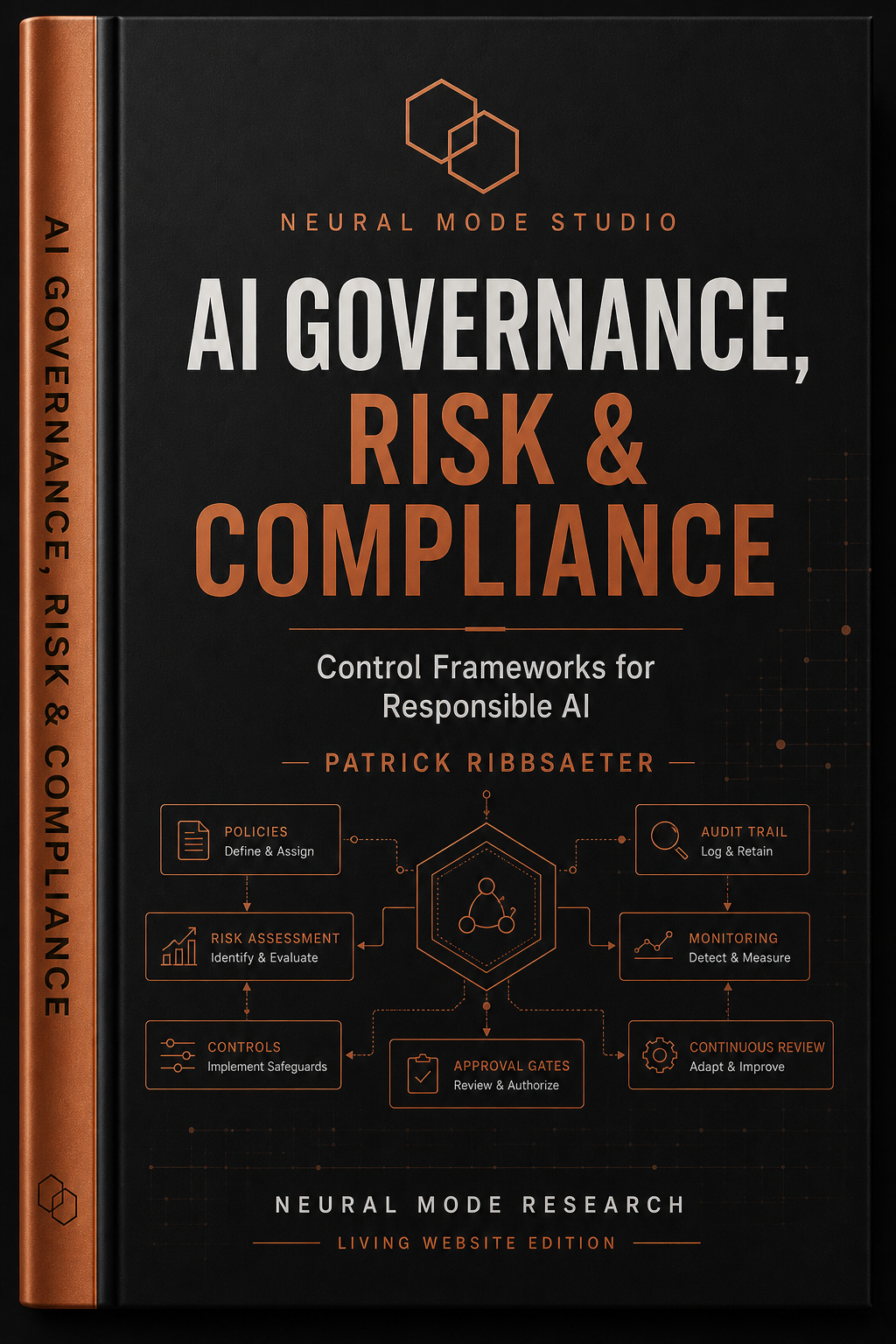
AI risk control plane
Audit evidence loop
EU AI Act readiness map
Who It Is For
Built for people making business decisions.
Boards, executives, legal teams, risk leaders, compliance officers, CIOs, security teams, and AI governance owners who need AI accountability to operate in practice
Use the book as an operating manual for planning AI automation, selecting the right workflows, governing risk, measuring ROI, and moving from isolated pilots to a managed automation portfolio.
Business Outcomes
Create AI governance that teams can actually follow
Prepare for high-risk AI obligations and vendor scrutiny
Reduce security, legal, reputational, and operational exposure
Reader Signal
Built for operators who need more than AI hype.
The book is positioned for executives and implementation teams who need a practical path from pilot activity to managed automation capability.
"
The useful part is the operating model. It does not sell AI as a tool purchase; it shows how to make ownership, governance, and ROI clear enough for leadership to act.
COO, mid-market services firm
"
The value map and stage-gate model make the book practical. It gives teams a way to decide what should be automated first and what should be killed before it wastes budget.
Transformation lead, B2B operations
"
This reads like a field manual for executives. The strongest sections are governance, operations, and measurement because they address what usually breaks after the demo.
CIO advisor, enterprise AI programs
Inside the Website Reader
Chapter preview.
Why AI Governance Is Now Operational
Defines the controls, review points, ownership, and evidence needed to use AI without creating unmanaged exposure.
The AI Risk Control Plane
Defines the controls, review points, ownership, and evidence needed to use AI without creating unmanaged exposure.
AI Inventory, Classification, and Ownership
Shows how to turn the chapter topic into a clear business decision, operating model, or implementation step.
Policy, Standards, and Decision Rights
Shows how to turn the chapter topic into a clear business decision, operating model, or implementation step.
Data, Privacy, and Security Controls
Maps the data, access, vendor, and compliance questions that must be answered before scaling.
Transparency, Explainability, and Human Oversight
Shows how to turn the chapter topic into a clear business decision, operating model, or implementation step.
Vendor and Supply Chain Risk
Defines the controls, review points, ownership, and evidence needed to use AI without creating unmanaged exposure.
Audit Evidence and Incident Response
Shows how to turn the chapter topic into a clear business decision, operating model, or implementation step.
EU AI Act and Global Regulatory Readiness
Shows how to turn the chapter topic into a clear business decision, operating model, or implementation step.
Board Reporting and Executive Accountability
Shows how to turn the chapter topic into a clear business decision, operating model, or implementation step.
The AI Governance Operating Cadence
Defines the controls, review points, ownership, and evidence needed to use AI without creating unmanaged exposure.
Building Governance Without Killing Momentum
Defines the controls, review points, ownership, and evidence needed to use AI without creating unmanaged exposure.
Recommended Next
Stay inside the Neural Mode research system.
Continue with the books that naturally connect to this topic. Each title expands a different part of the same operating system: strategy, implementation, industry depth, governance, and builder skill.
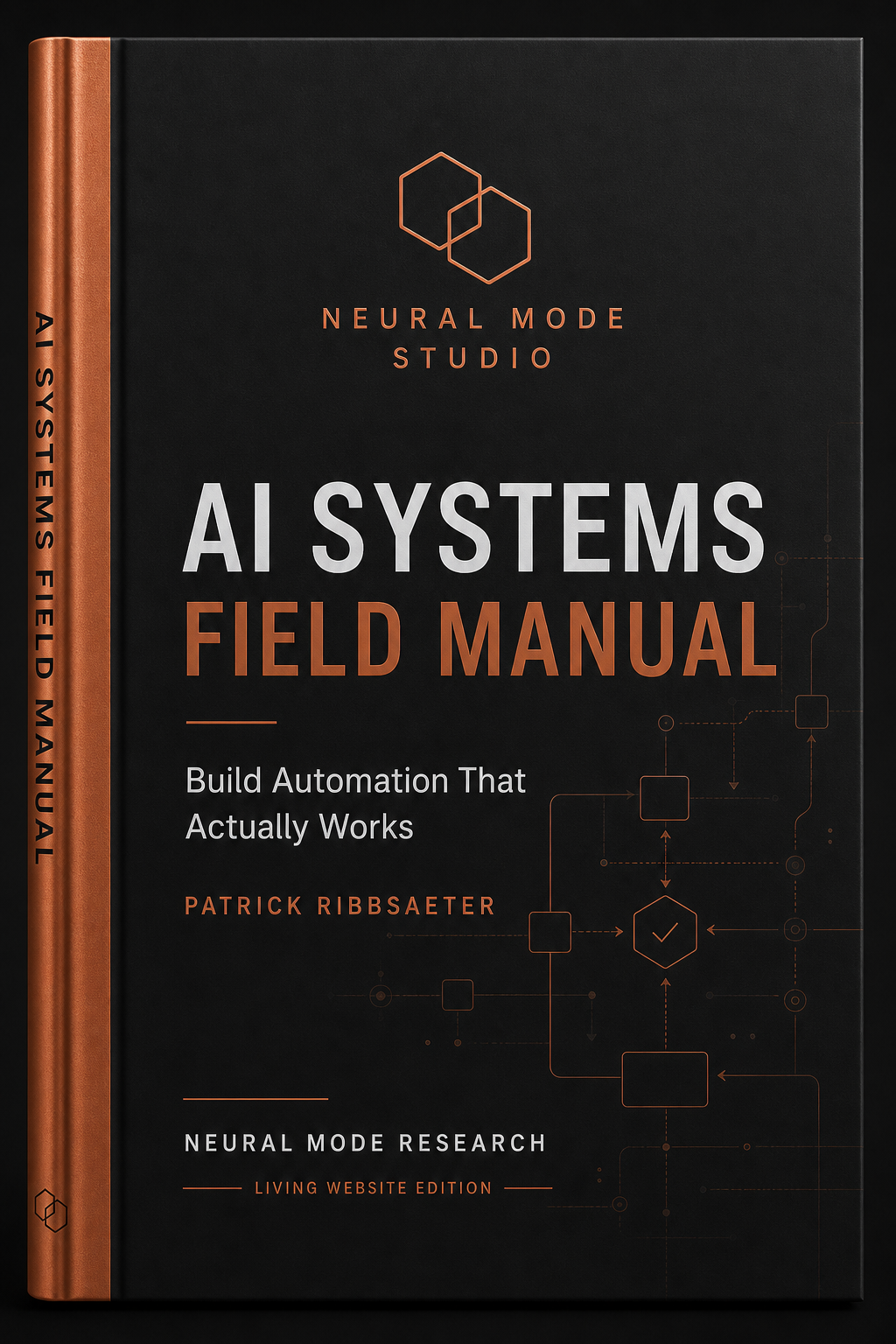
The AI Systems Field Manual
A production-minded guide to turning messy business workflows into AI systems that can be trusted, measured, governed, and improved after the demo ends.
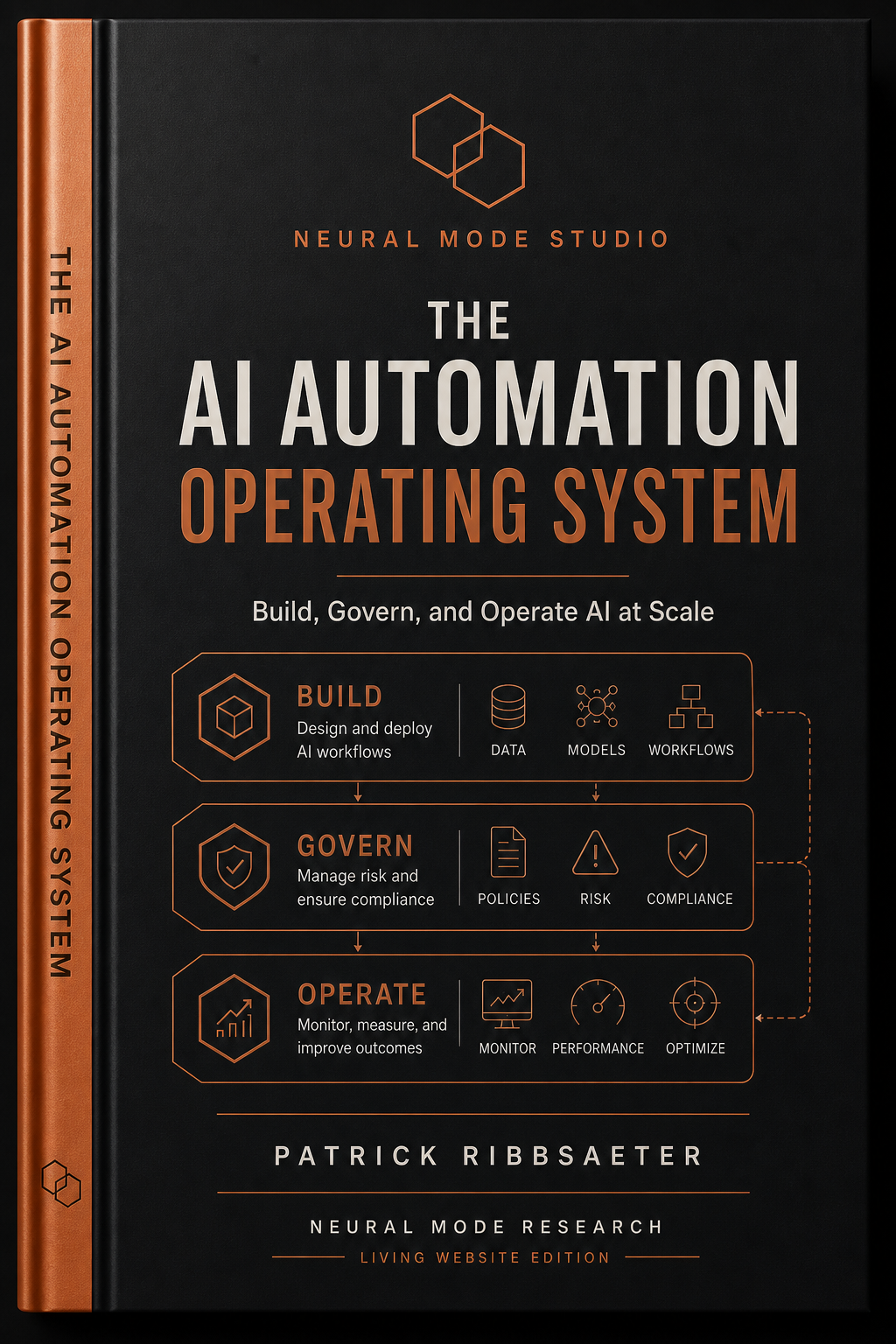
The AI Automation Operating System
A board-to-operations playbook for selecting the right AI opportunities, governing the build, measuring ROI, and scaling from one useful workflow to an automation portfolio.
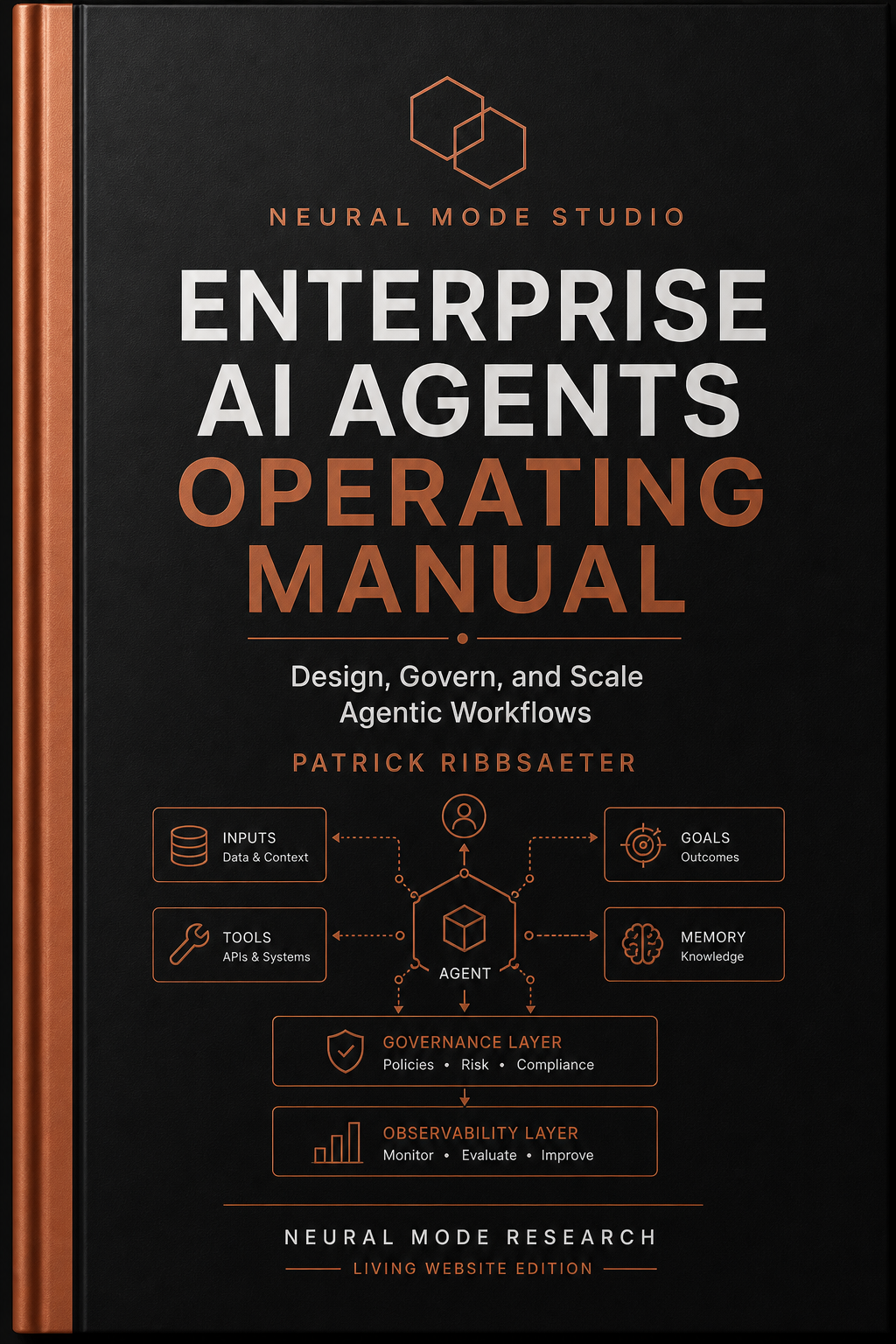
The Enterprise AI Agents Operating Manual
A sober production manual for designing, permissioning, testing, monitoring, and governing AI agents before they touch live workflows, customer data, or operational systems.
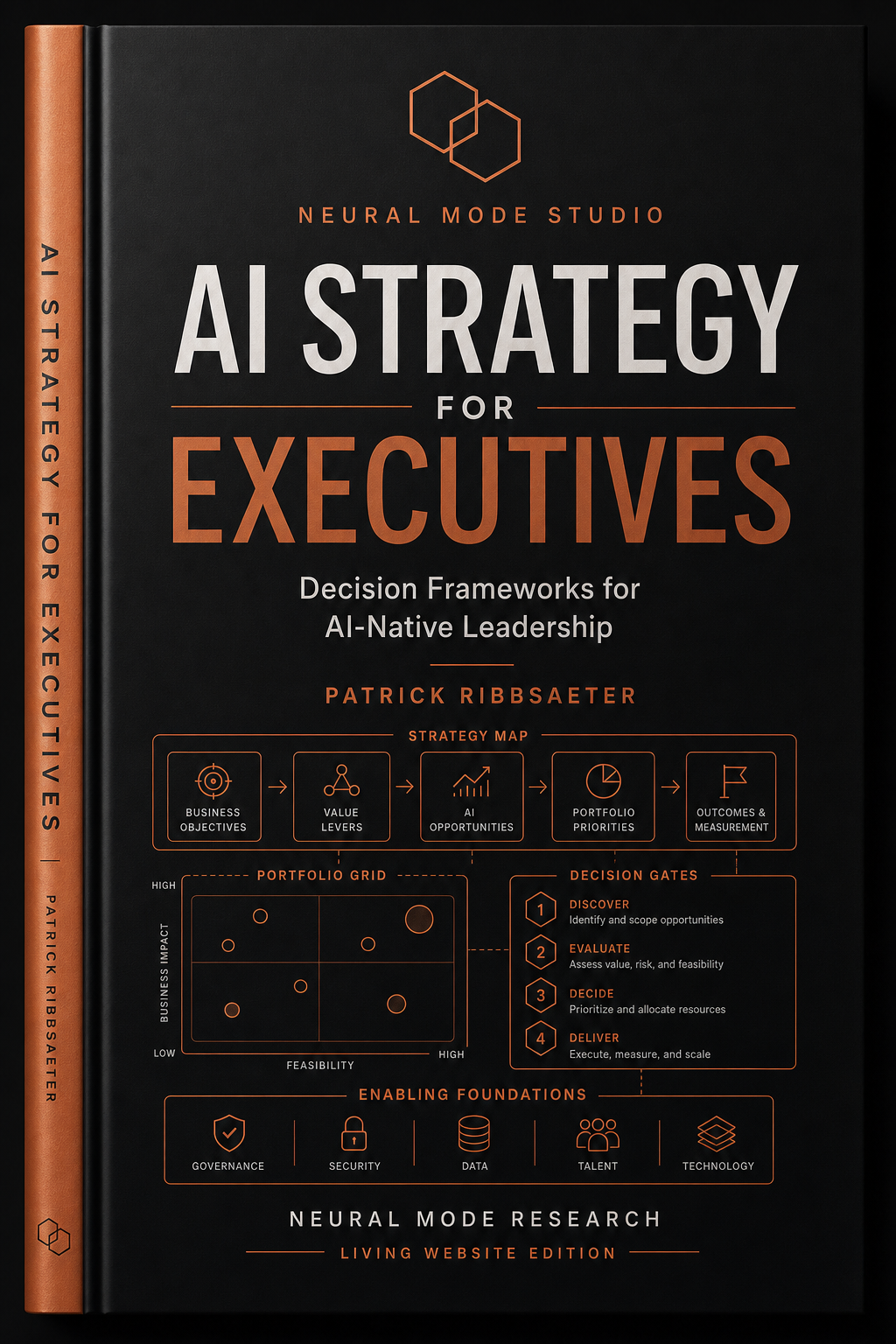
AI Strategy for Executives
A leadership guide for deciding where AI deserves capital, who owns it, how risk is governed, and how boards measure whether AI is creating real strategic advantage.
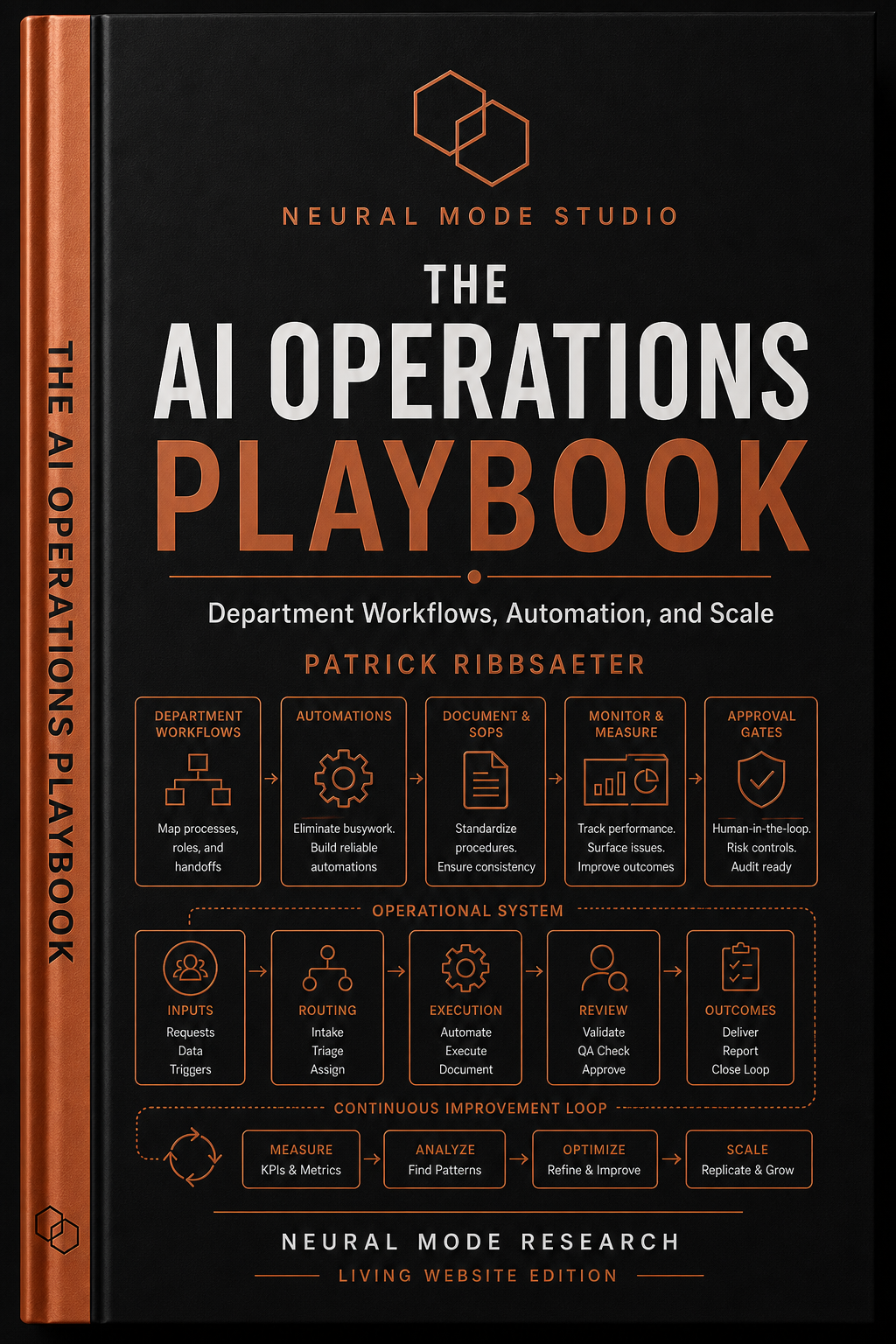
The AI Operations Playbook
A practical operator's guide to finding the first valuable AI workflows across departments, scoring readiness, and building a 90-day rollout that survives real business constraints.
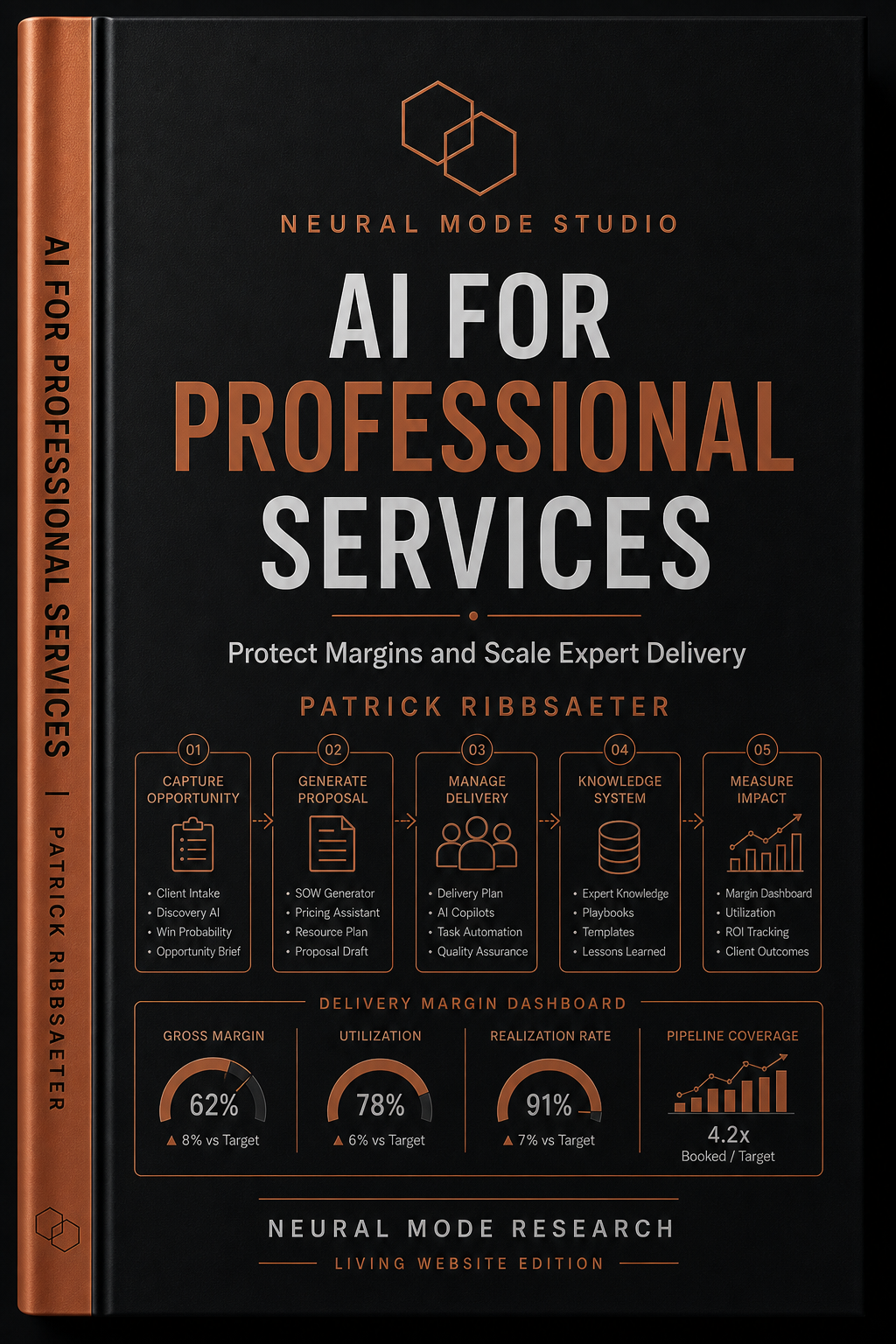
AI for Professional Services
A margin-protection guide for firms selling expertise: how to redesign research, delivery, pricing, knowledge management, and client communication before AI compresses the billable hour.
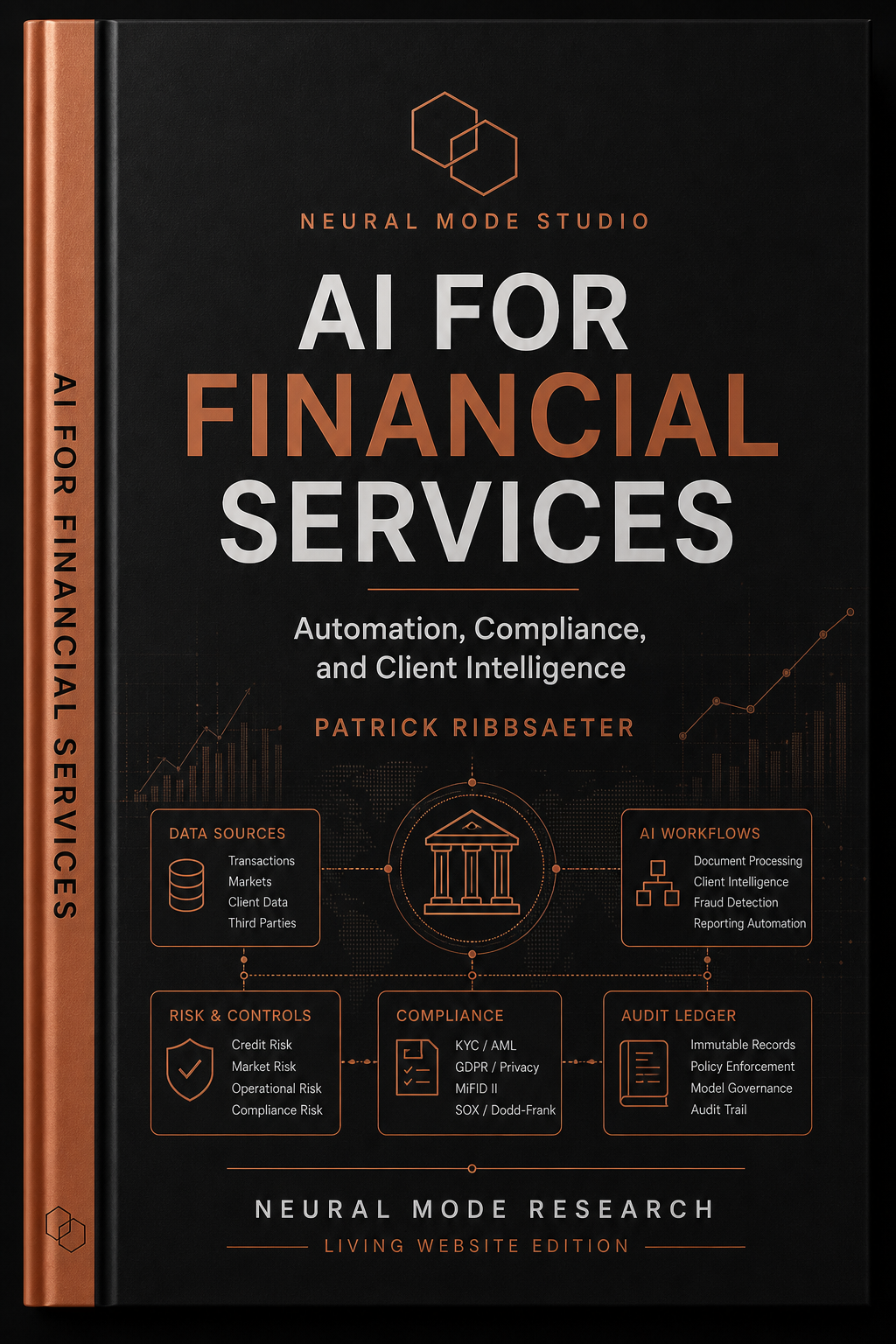
AI for Financial Services
A risk-aware operating guide for using AI in banking, insurance, wealth, and finance teams without weakening controls, auditability, or customer trust.
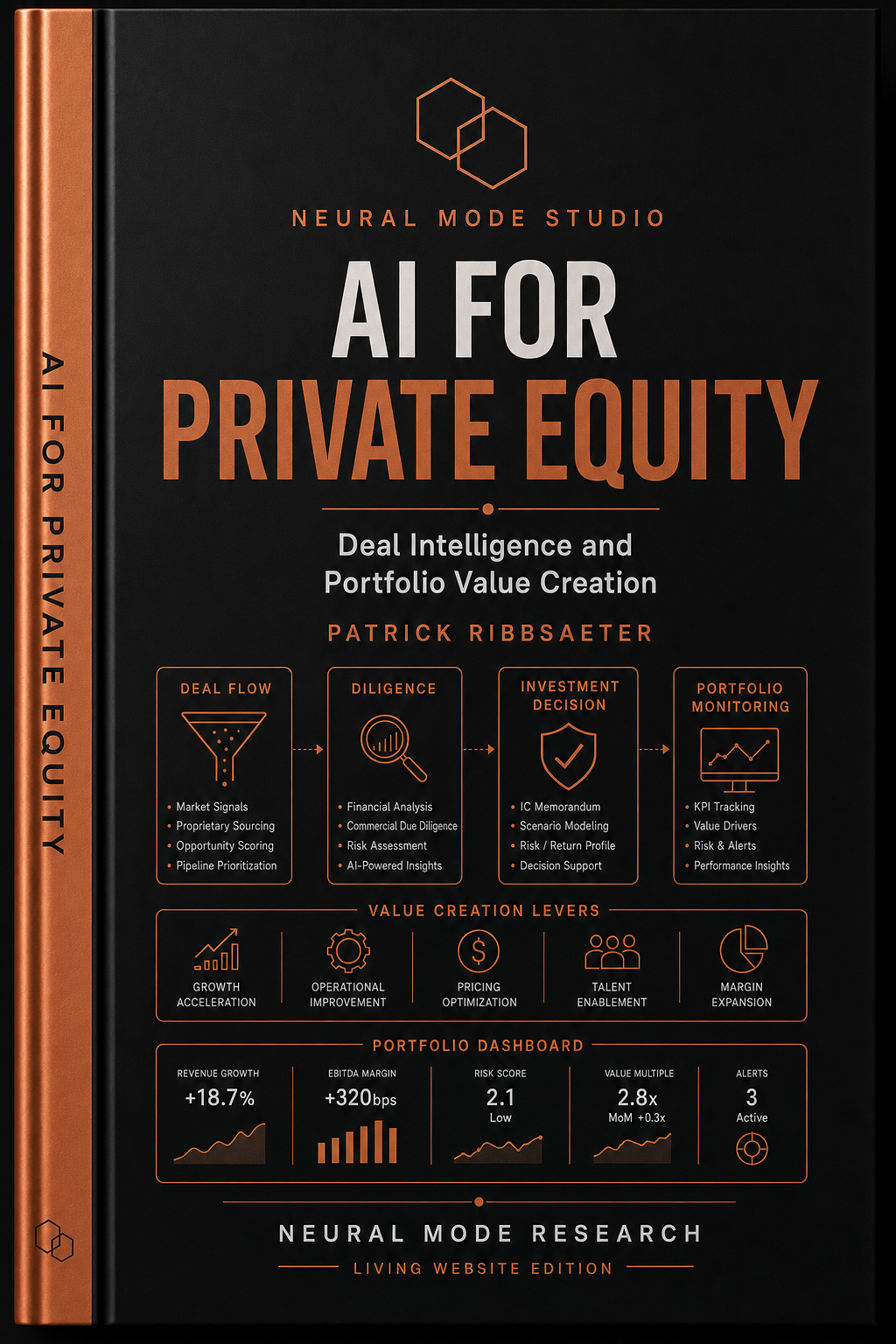
AI for Private Equity
A deal-to-portfolio guide for using AI to widen sourcing coverage, compress diligence, monitor value creation, and give operating partners better evidence before decisions move.
Digital reader system